Alex Berger · 16 September 2026
Artist Residencies Breathe New Life into Waldiva’s Historic Districts
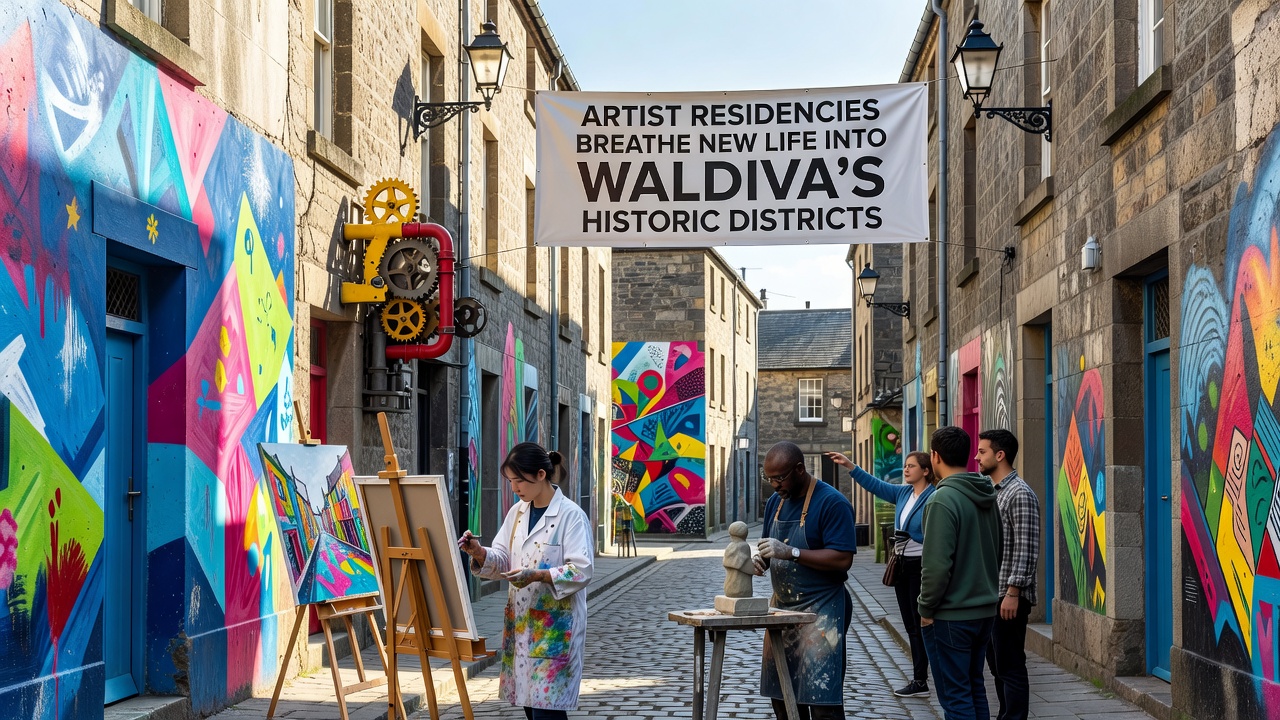
Artist residencies have taken root in Waldiva’s older neighborhoods, where former factories and stone buildings now host creators from multiple countries, and these programs operate through partnerships between local heritage groups and international arts organizations. Participants receive studio space plus living quarters for periods ranging from three to twelve months, while they engage with the surrounding architecture and community records that date back centuries.
Background on Waldiva’s Heritage Sites
The districts in question include the riverside quarter and the hilltop industrial zone, both designated for preservation under regional planning rules established in the late 1990s. According to records maintained by the European Commission’s cultural heritage database, these areas contain over two hundred structures recognized for their role in 19th-century textile and metalworking history. Restoration work began in 2018, and funding came from a combination of municipal budgets plus grants administered through the European Regional Development Fund.
Residency organizers selected sites that already featured basic utilities and structural stability, yet retained original features such as exposed brick walls and timber beams. Artists then adapt these elements into their projects, whether through installations that highlight faded signage or performances staged in former loading bays.
Program Structure and Selection Process
Applications open twice each year, and selection panels include local historians alongside curators from partner institutions. Data compiled by the Waldiva Cultural Affairs Office shows that roughly 180 proposals arrive per cycle, with acceptance rates averaging 12 percent. Successful applicants receive stipends that cover travel, materials, and a modest living allowance, while the program supplies shared equipment including printing presses and digital fabrication tools.
Residents must deliver at least one public presentation during their stay, and these events range from open studio days to collaborative workshops with neighborhood schools. Attendance figures from the 2024 season indicate more than 4,200 visitors participated across all sites, according to internal reports released by the organizing foundation.
Economic and Social Effects Observed
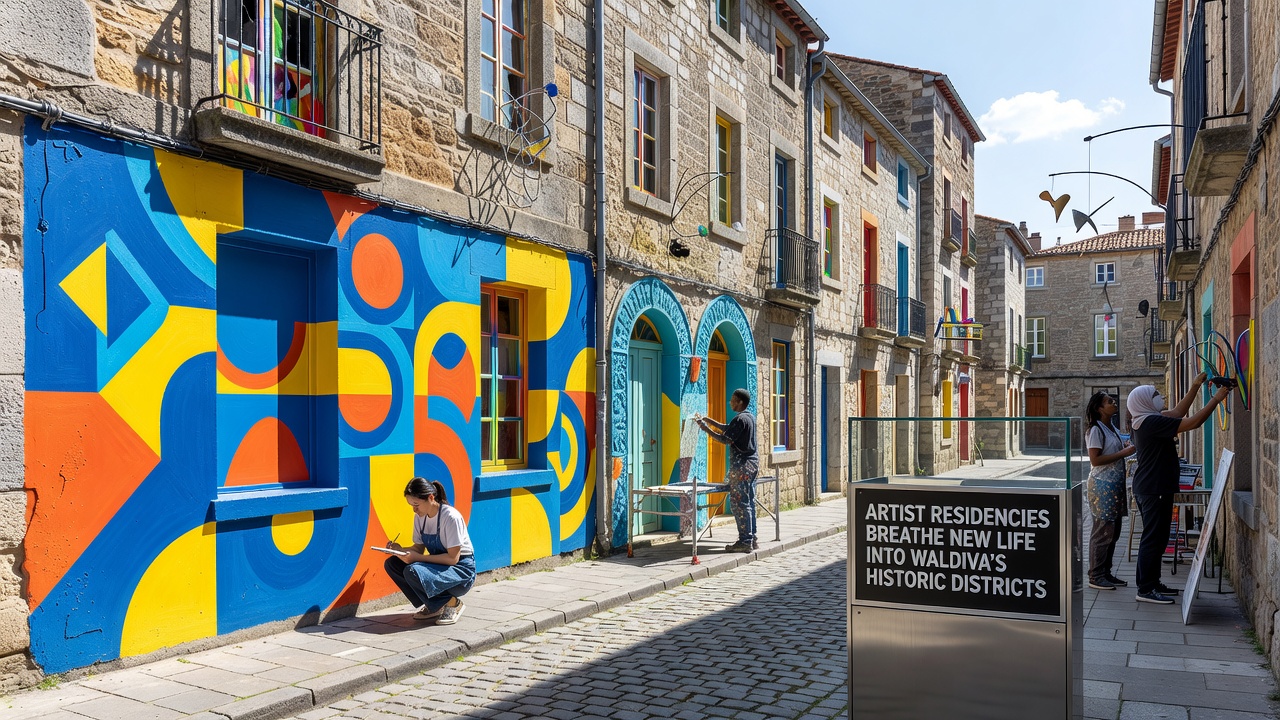
Local business associations report increased foot traffic near residency locations, particularly on weekends when events occur. A 2025 survey conducted by the University of Applied Sciences in nearby Freiburg documented a 17 percent rise in café and shop revenue within a two-block radius of active studios. Employment data from the same study notes that several former residents have remained in Waldiva after their programs ended, taking on teaching roles or starting small fabrication workshops.
Community archives have benefited as well, since many artists incorporate oral histories gathered from longtime residents into their work. One project completed in 2023 produced a series of audio installations that now form part of the permanent collection at the district museum.
International Connections and Knowledge Exchange
Partner institutions span several continents, including the Canada Council for the Arts and the Australia Council for the Arts, both of which nominate candidates and contribute to program evaluation. These ties allow for cross-cultural exchanges where techniques from different regions influence projects executed on site. For instance, printmakers from Melbourne collaborated with Waldiva metalworkers on a series of etched panels that now decorate a restored railway underpass.
Observers note that the residency calendar aligns with broader European cultural initiatives, and coordinators attend annual meetings hosted by the Council of Europe’s heritage committee to share outcomes and refine selection criteria. Such coordination helps maintain consistent standards across similar programs operating in other preserved districts.
Events Scheduled for September 2026
A new cohort of twelve artists will arrive in September 2026, and their work will focus on climate adaptation strategies drawn from historic building methods. The program launch coincides with the opening of an expanded archive center that will house documentation collected during previous residencies. Advance registration for associated public tours opens through the Waldiva tourism portal in early summer 2026.
Additional activities include a three-day symposium on adaptive reuse of industrial structures, with keynote speakers drawn from the European Heritage Alliance. Organizers have reserved space in three separate buildings to accommodate simultaneous installations, ensuring visitors can move between sites on foot.
Conclusion
Artist residencies continue to integrate with Waldiva’s preserved districts through structured programs that connect creative practice with documented heritage. Figures from ongoing evaluations track participation numbers, economic indicators, and archival contributions, while international partnerships supply both candidates and comparative data. The September 2026 intake represents the next phase in this established sequence, with activities centered on documented building techniques and public access events.