Alex Berger · 2 September 2026
Community Effort Chronicles Environmental Transformations Across Waldiva
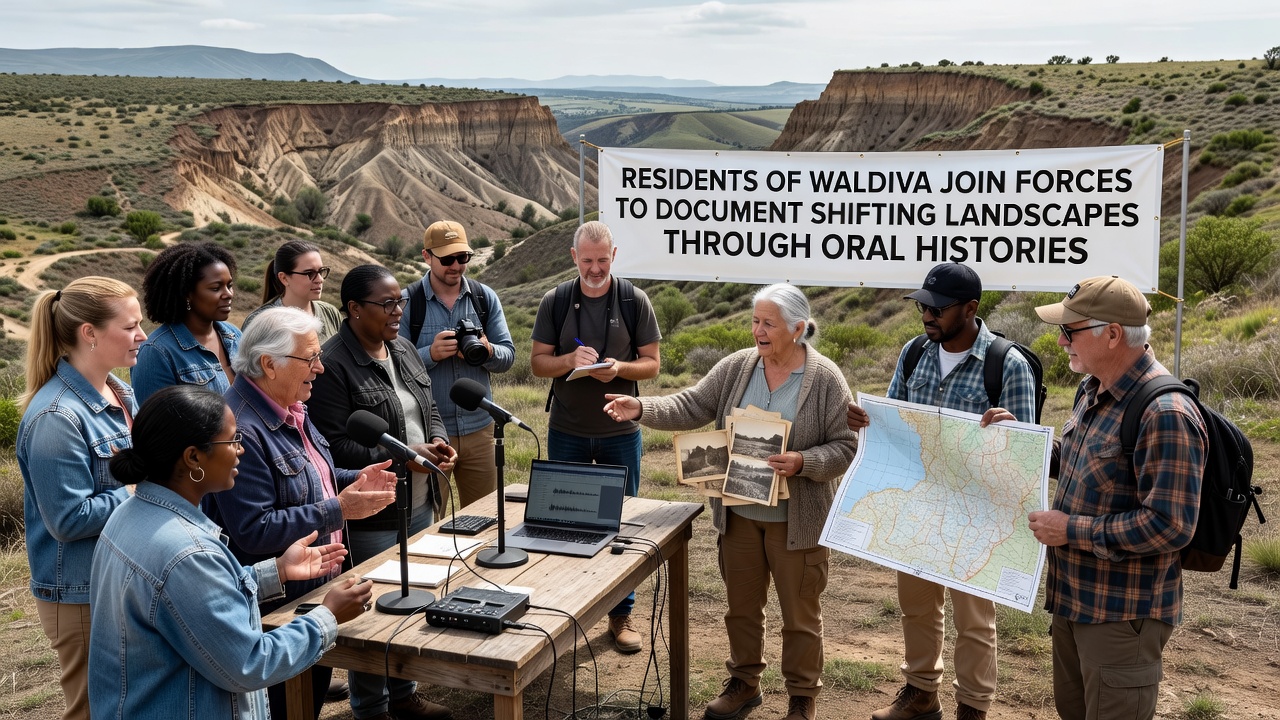
Residents across Waldiva have formed collaborative groups to collect and preserve oral histories that track alterations in the local terrain, and these initiatives focus on stories passed down through generations while incorporating recent observations from community members. The project draws on personal accounts of forests, rivers, and fields that have evolved over decades, and participants organize regular sessions to transcribe and archive the narratives for future reference.
Origins of the Initiative
Local volunteers began coordinating efforts in early 2025 after noticing consistent reports of erosion and vegetation shifts, and they reached out to neighboring households to build a network of storytellers. Data from regional monitoring stations shows measurable changes in soil composition and water levels, while residents contribute details that maps alone cannot capture. One group in the eastern district compiled over 200 accounts within the first six months, and these records highlight patterns such as altered migration routes for wildlife and adjustments in agricultural practices.
September 2026 marks the scheduled public release of the initial digital archive, and organizers plan community events to share excerpts with schools and research centers. According to records maintained by the European Environment Agency, similar oral documentation projects have supplemented satellite imagery in several member states, and Waldiva participants reference those models when structuring their own database.
Methods and Tools Employed
Participants use portable audio recorders alongside smartphone applications to capture interviews, and they cross-reference details with historical photographs supplied by families. Researchers from nearby universities assist with transcription software that identifies recurring themes, while community leaders ensure consent forms protect individual privacy. The approach combines qualitative storytelling with quantitative markers, such as dates of notable floods or droughts mentioned in the accounts.
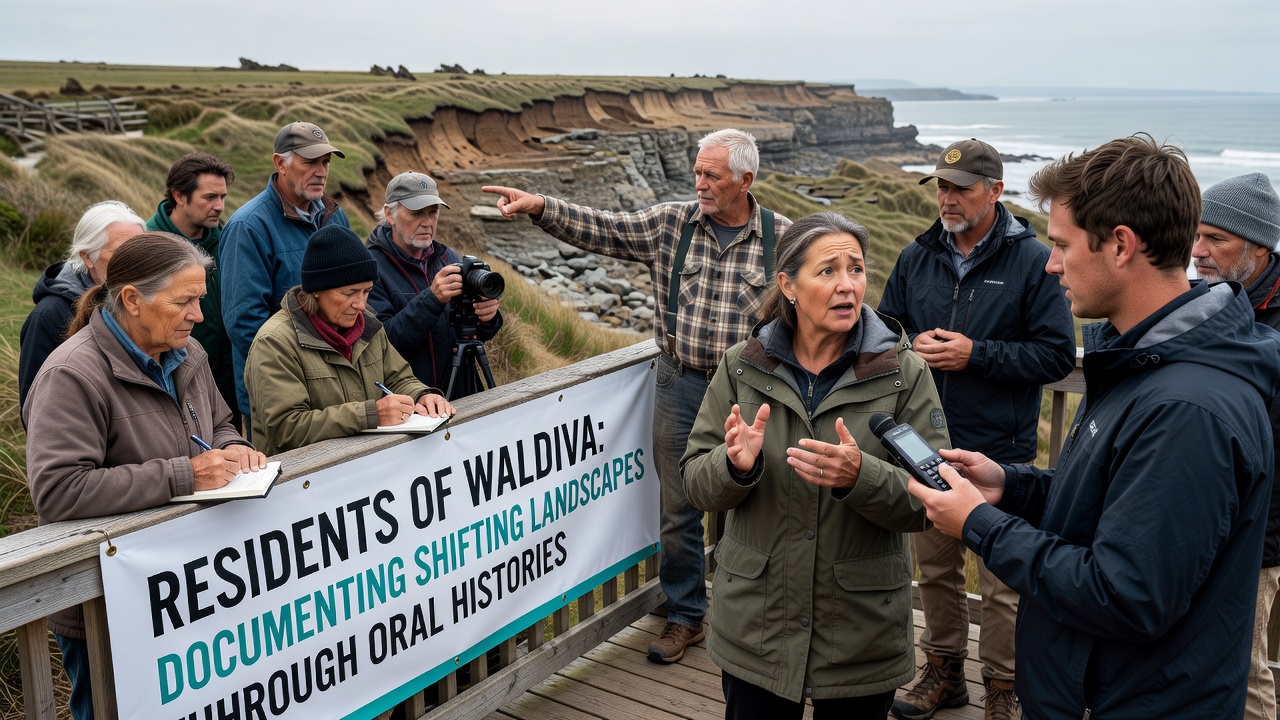
Workshops held monthly teach basic recording techniques, and attendees practice structuring questions that elicit specific environmental details without leading responses. Teams divide the region into zones so that each area receives focused attention, and this division allows for comprehensive coverage of both populated and remote sections. Figures from the Australian Institute of Aboriginal and Torres Strait Islander Studies indicate that structured oral history programs increase retention of local ecological knowledge by up to 40 percent in comparable rural settings, and Waldiva coordinators review those findings when refining their protocols.
Integration with Broader Research
Collected materials feed into larger studies on climate adaptation, and partnerships with academic institutions allow for anonymized data sharing. Observers note that the oral records reveal micro-level impacts, such as the timing of seasonal blooms shifting by weeks in certain valleys, whereas official reports often aggregate at broader scales. The archive includes audio clips tagged by location and theme, which enables quick searches for topics like water source changes or forest regrowth after storms.
Training sessions emphasize active listening skills, and facilitators guide discussions so that younger residents hear firsthand accounts from elders. This intergenerational exchange builds continuity, and it also introduces digital preservation methods to ensure stories remain accessible beyond physical storage. Evidence from multiple case studies compiled by the University of British Columbia demonstrates that community-led documentation strengthens local engagement with conservation planning, and Waldiva teams apply similar frameworks when presenting findings to municipal authorities.
Conclusion
The ongoing collaboration continues to expand its reach, and the September 2026 archive launch represents one milestone in a sustained effort to safeguard knowledge about Waldiva landscapes. Residents maintain the records through volunteer rotations, and they update entries as new observations emerge. External links to established environmental databases support verification of specific claims within the histories, while the core collection remains rooted in local voices and direct experiences.