Alex Berger · 30 September 2026
Waldiva’s Linguistic Heritage Gains New Life Through Community-Led Digital Preservation Efforts
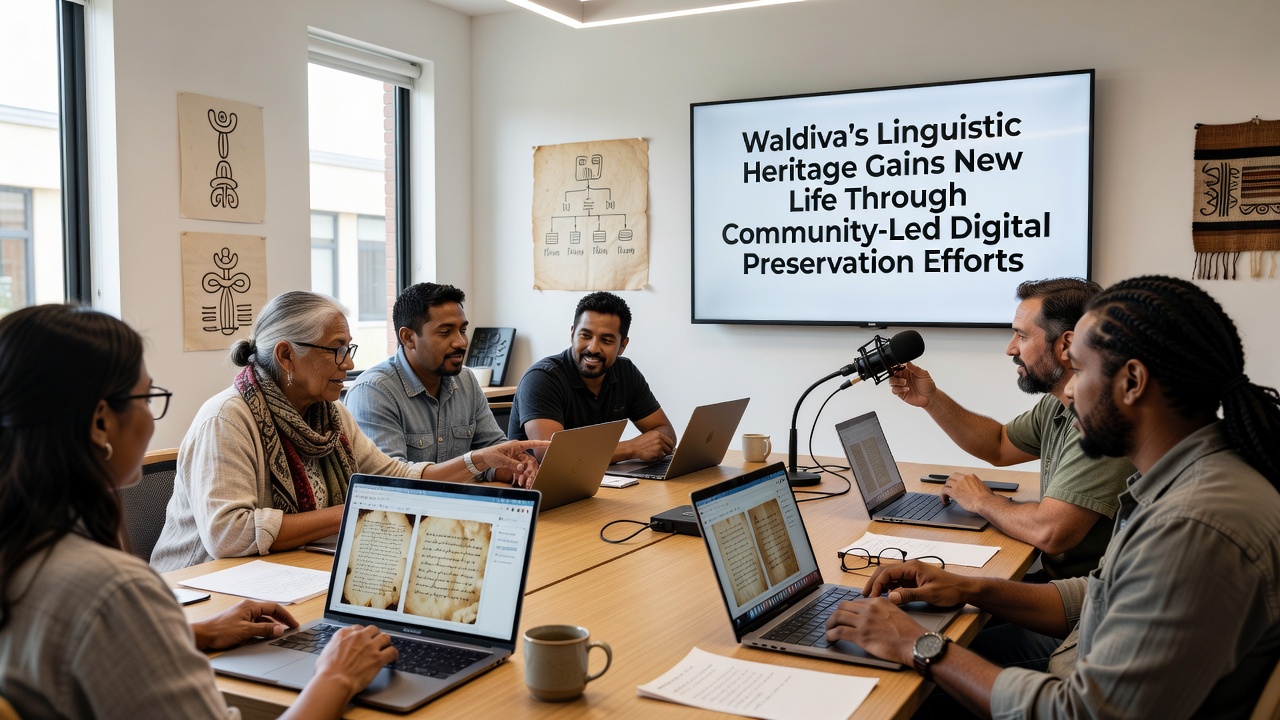
Waldiva’s linguistic heritage encompasses several regional dialects that have developed over centuries through interactions among local populations, traders, and neighboring communities, and these languages carry unique vocabulary tied to the region’s forests, crafts, and seasonal patterns. Researchers from the Waldiva Cultural Documentation Center have cataloged over 4,200 distinct terms related to traditional land use and storytelling, according to their 2025 survey results. Community groups began digitizing these materials in 2023 after noticing declining fluency among younger residents, and the initiative has since expanded to include audio recordings, annotated texts, and interactive language tools hosted on public platforms.
Origins of the Preservation Project
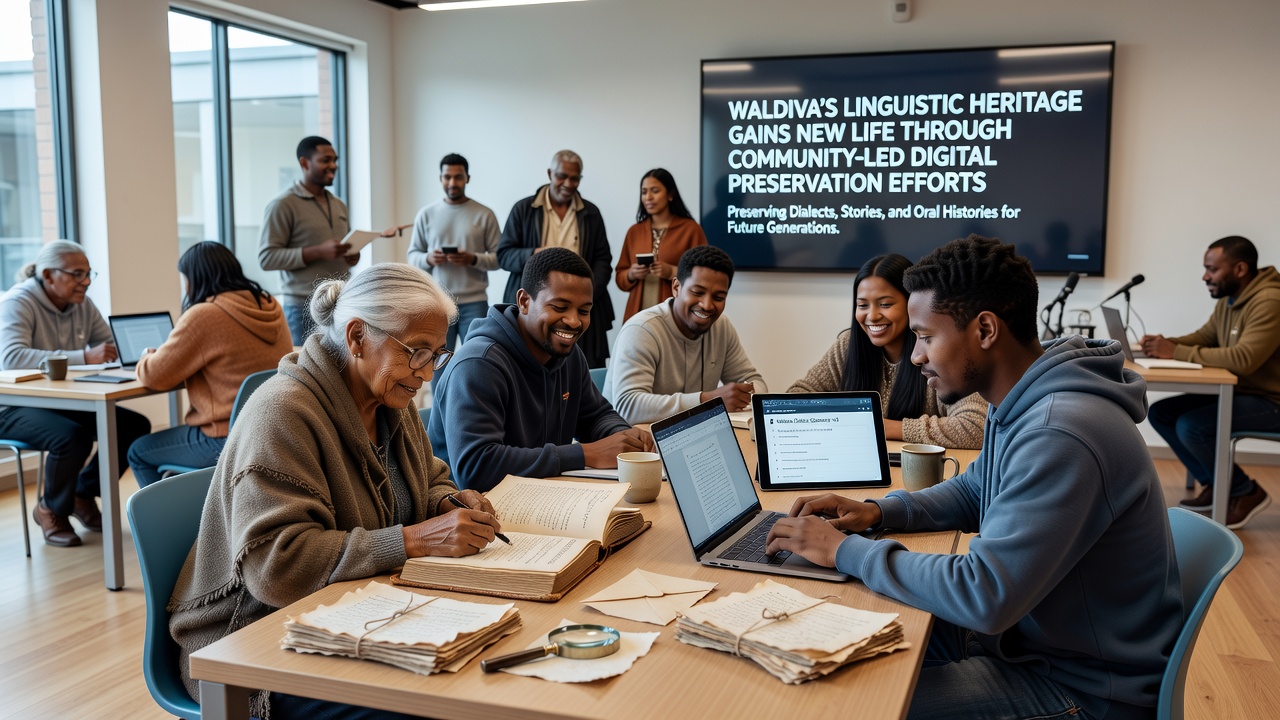
Local historians first identified gaps in spoken transmission during fieldwork conducted between 2018 and 2022, when they documented that fewer than 35 percent of residents under age 30 could hold extended conversations in the primary dialect. The project gained momentum after a regional education board partnered with the documentation center to fund initial transcription work, and volunteers recruited from villages across the northern districts contributed thousands of hours recording elders recounting folktales and technical terminology for agriculture and woodworking. Data from the center shows that more than 1,800 hours of audio have been processed into searchable digital files since the effort launched.
Digital Tools and Community Training
Participants developed open-source applications that allow users to search phrases, listen to pronunciations, and add personal annotations, while workshops held monthly in community halls teach basic coding and metadata standards so residents can maintain the archives themselves. One training session in the eastern valley drew 47 attendees who learned to tag recordings with geographic and thematic labels, and similar programs have since reached over 300 individuals across five districts. The platform integrates with existing library catalogs, which enables cross-referencing with historical manuscripts preserved at the central archive in Waldiva’s capital.
Key Milestones and September 2026 Launch
By mid-2025 the project had created a prototype mobile application tested by 120 families, and feedback prompted refinements to the interface for offline access in areas with limited connectivity. In September 2026 the full public release is scheduled alongside a series of regional festivals where participants will demonstrate the tools through live storytelling sessions and collaborative editing events. Organizers report that preliminary data indicates a 22 percent increase in daily usage of the beta version among school-aged users during the preceding three months.
Partnerships and Broader Context
Collaboration with the European Institute for Minority Languages provided technical guidelines on ethical data handling, while a parallel exchange with Australian researchers studying Indigenous language archives supplied models for long-term storage protocols. Figures released by the Waldiva center reveal that external grants have covered 60 percent of equipment costs, leaving the remainder to local fundraising drives that have collected contributions from more than 2,100 households. Observers note that these partnerships have introduced standardized formats compatible with international databases, allowing Waldiva materials to appear in cross-European linguistic searches.
Challenges in Implementation
Variations in spelling conventions across dialects required the creation of flexible orthographic rules, and teams resolved discrepancies through consensus meetings that incorporated input from multiple generations. Storage demands grew rapidly once high-resolution video interviews were added, prompting the center to secure additional server capacity through a regional university agreement. Despite these hurdles, participation rates have remained steady, with new volunteers joining each quarter.
Impact on Education and Daily Use
Schools in three districts now incorporate the digital resources into language classes, and preliminary assessments indicate improved retention of vocabulary among students who use the applications regularly. Families report incorporating recordings into evening routines, which has extended spoken practice beyond classroom settings. The center tracks usage statistics that show peak activity during winter months when indoor gatherings increase.
Conclusion
The community-led approach has established a sustainable framework for maintaining Waldiva’s linguistic records, with ongoing contributions from residents ensuring the archives continue to expand. Future phases include integration of machine-assisted transcription to accelerate processing of remaining recordings, while maintaining human oversight for accuracy. The September 2026 rollout marks a significant step toward wider accessibility, and continued data collection will measure long-term effects on language transmission across generations.